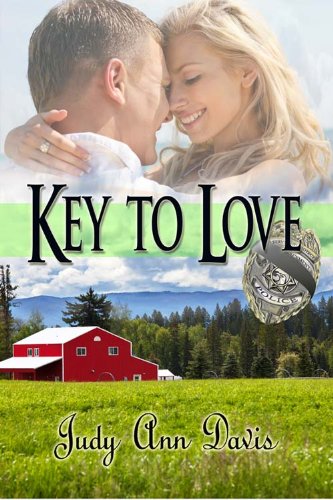
by Judy Ann Davis
"Spring unlocks the flowers to paint the laughing soil.”
--Bishop Reginald Heber
I’m a fan of flowers and ferns.
But to be honest, I find ferns fascinating. There is something delicate and eye-catching about these ornamental plants. Every April, fiddleheads start popping through the spring earth. I can almost see them growing before my eyes as they emerge from the flowerbeds around our house.

Ferns are a native plant of Pennsylvania which means they occurred in this region before settlement by Europeans. They are part of a group of species of vascular plants which reproduce via spores and have neither seeds nor flowers, only stems and leaves.
It’s believed the first ferns appeared in fossil records 360 million years ago in the Devonian period, but many of the current species didn’t appear until roughly 145 million years ago in the early Cretaceous period, after flowering plants came to dominate many environments. Throughout history, ferns have been popular in medicine, art, mythology, landscaping, flower design, human consumption, and more.
When the first frost alarm sounds in our area, I’ve tried to bring the now huge, lofty-looking plants into the house to keep over winter. I’m not afraid to admit I’m a failure. The plants don’t adapt to—or just don’t like—the climate in our house. So, I learned to be content with just enjoying them spring, summer, and fall.

BLURB:
When architect Elise Springer's father is injured, she immediately leaves San Francisco to care for him. The last person she expects to encounter in her Pennsylvania hometown is her childhood friend Lucas Fisher. Lucas is investigating his brother's mysterious death, and Elise can't resist lending a hand.
Lucas longs for
the close family ties he never had. He's back in Scranton to set up a classic
car restoration business and build a future. The torch he carries for Elise
burns brighter than ever, but before he can declare his love, he must obtain
the legal rights to adopt his nephew--and prove his brother's death was no
accident.
As they unearth clues to find the murderer and a missing stash of money, Elise faces a dilemma. Is her career on the West Coast the key to her happiness, or is it an animal-cracker-eating four-year-old and his handsome uncle instead?