Showing posts with label foods. Show all posts

Wednesday, November 23, 2022

NOVEMBER - Transitioning to Winter

 by Judy Ann Davis

                                          HAPPY THANKSGIVING!
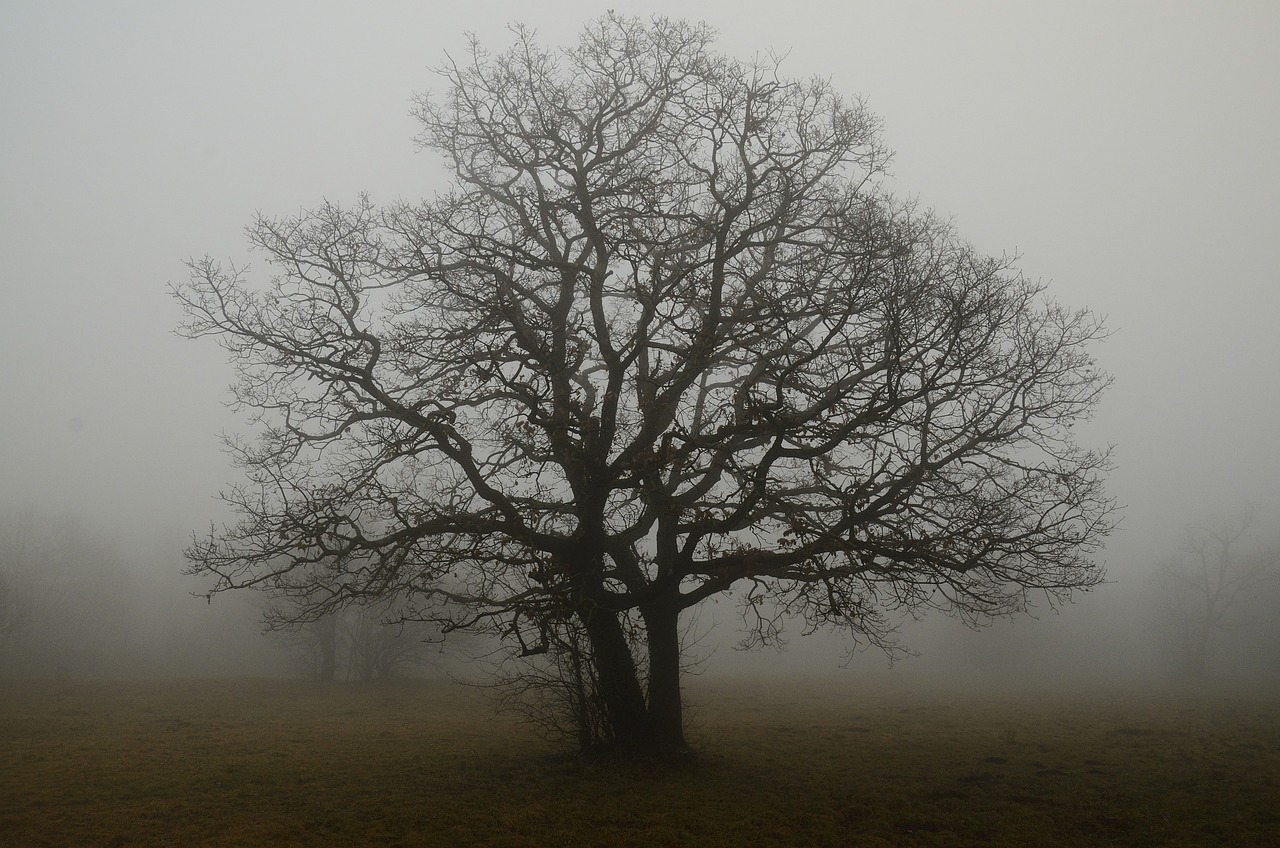
It’s Novemberour transition into winter. Bare tree limbs shiver in stiff winds. Wayward leaves scurry across the chilly ground, and clouds gather in gray skies. Inside, people search closets and drawers for wool and flannel clothing, and warm shoes and boots.

It’s the time when everyone dashes outside to get their homes battened down and ready for the first snows to fly. The bushes and trees have been trimmed, and perennial plants are leveled to the ground for a spring rebirth. Leaves from trees, now drab brown, wet, or maybe crispy and dry, have been raked or swept up in lawn mowers. In our small development here in Central Pennsylvania, when one mower roared to life, another followed shortly, and the race was on to see which house finished first.

November brings back many memories from childhood in Northeastern Pennsylvania. I remember school days when we watched out the windows in our classrooms to look for the first snowflakes. For farm kids, snow meant outside fun as we rode sleds, shovels or saucers down a slippery slope. There were outside chores, too. Clearing snow from the front porch, sidewalk, back steps and entrance were unspoken activities after every storm. Almost daily, we hauled stacks of wood from outside into our cellar to dry and feed our hungry, wood-fired furnace.                                     

I loved our cellar furnace. The light sweet smoky smell of wood still reminds me of a toasty warmed-by-air ducts ending at metal floor registers above. In high school and before bedtime, I would find a register, grab a blanket and wrap it tent-like around me to trap the heat while I did my homework.

And I’ll never forget the tasty winter foods of November. Falling temperatures brought warmer hearty dishes to our table—roasts, ham, meatloaf, stuffed cabbage, and stews, to name a few. Delicious scents from homemade soups like chicken noodle, beet, creamy potato, or vegetable beef wafted through the rooms. Hot chocolate, cider, tea, and coffee made winter meals even more savory and inviting. Thanksgiving was a feast. If we didn’t have a turkey, we enjoyed a chicken or roast. Mother froze or canned every imaginable vegetable, so cranberries were our only purchased item for the holidays.

As the eleventh month of the year, November can rightfully boast it’s the transition from fall to winter. It also announces we are approaching the end of the year. For children who love and wait for winter, it's so much more as they ask the curious and often blissful question swirling in their heads and hearts—will it snow today?  

JUNE ~ The Pianist

(Book 1 of the Musical Christmas Series)
NOW ON SALE $0.99

Sunday, October 23, 2022

NATIONAL FOOD DAY - October 24th

 by Judy Ann Davis

When October inches into Central Pennsylvania, she brings with her frosty mornings and the brilliant hues of autumn. The golds, reds, and oranges of the maples, oaks, birches, and sumac cover our hillsides. 

October 24th has been annually proclaimed as National Food Day focusing on healthy and nutritious foods. For me, it's the month when my favorite foods appear--those warm and cozy dishes like soups, roasts, puddings, and favorite drinks like cider and hot chocolate. 

Growing up, I always looked forward to October meals on the farm. My parents were from immigrant Polish parents, and my mother was an exceptional cook and baker. She made traditional dishes such as stuffed cabbage rolls (golumpki), beet soup (borscht), and dumplings stuffed with cheese or  mashed potatoes (pierogies).

The other day I found some fall mushrooms popping up in our yard. It reminded me of my childhood days when my mom and dad would set off on a foggy morning into the woods to collect them. Mushroom hunting is an old Polish tradition handed down when the first Polish immigrants came to America and brought their knowledge with them. These gilled fungi are hunted in both the spring and fall. One of my favorite dishes to this day is steak served with fried mushrooms and onions.

Apple cake (szarlotka) and cheesecake (sernik) are the most frequently served sweets in Polish homes. For those who love sweets, here is a easy fall favorite of mine, passed down by my mother.

NOBBY APPLE CAKE
 

6 TBSP butter or margarine
2 cups sugar
2 eggs
2 tsp vanilla
1 tsp cinnamon
½ tsp salt
2 tsp baking soda
2 cups sifted flour
6 cups diced apples
1/2 cup chopped nuts

Cream margarine, sugar, and eggs.
Sift dry ingredients together and add to creamed mixture.
Stir in diced apples, nuts, and vanilla. 
Pour in greased pan.
Bake: 350 degrees for 40-45 minutes.

 JUNE - The Pianist

Book 1 in the Musical Christmas Series 
Now on Sale for $0.99 
 

Sunday, December 24, 2017

A POLISH CHRISTMAS EVE - Wigilia – The Vigil

by Judy Ann Davis

Oplaki
For people of Polish ancestry, Christmas Eve is a special night. It is a night of magic when animals are said to talk and people have the power to predict the future. It’s a time for families to gather and reconcile any differences, and to remember loved ones who have gone before them. It’s call Wigilia (vee-GELL-yah) which means, “vigil,” or waiting for the birth of Baby Jesus.

As dusk approaches, the mother of the family places a lighted candle in the window to welcome the Christ Child. Straw or hay, a reminder of Christ’s birth in a stable, is placed under a white linen tablecloth, which symbolizes Mary’s veil which became the Babe’s swaddling cloth. The eldest woman of the house places the blessed Communion-like wafers called oplatki (Oh-PWAHT-kee) on a fine china or silver plate. In modern times, straw and evergreens are assembled on a serving platter and covered with a white napkin. The oplatki is then placed on the napkin.

An extra place is set of any weary stranger who happens to pass by, in the same way Joseph wandered from home to home looking for a place for Mary to give birth, and in memory of those who are departed. (The extra place is also set in hopes that Christ will dine with the family.)

After sunset, the youngest child is sent to watch for the first star. This is why the wigilia dinner is also known as the Star Supper. Only then are the candles on the table lit and the dinner begun. But not a morsel is eaten before the “breaking of the oplatki.”

The eldest family member takes the wafer, breaks it and shares it with the next eldest with wishes for good health and prosperity, and a kiss on each cheek. Each person then exchanges oplatki with everyone else at the table. It can be a very emotional time as grudges are forgotten and deceased family members are remembered.

Wesolych Swiat! - Merry Christmas!
Instead of sending Christmas cards to friends and family not present, Poles send oplatki, first tearing off a small corner to show that the donor has broken it with them as a token of affection. (In America, Polish families often enclose oplatki in their Christmas cards.)

In some regions of Poland, at the end of the supper, Father Christmas, known as The Starman (very often the parish priest in disguise), accompanied by singing Starboys, pays a visit. He brings rewards to good children from Starland, and scolds the naughty ones, who eventually get their reward, too.

Typical food dishes on Christmas Eve include borscht, mushroom dishes, herring, white fish, meatless cabbage rolls, gingerbread cookies, pierogis, poppy seed rolls, spice cake, fruit, chocolates, tangerines, and cognac, liqueurs, and vodka made into a variety of drinks.

[Information taken from “About Food – Polish Christmas Recipes and Traditions” - by Barbara Rolek, Eastern European Food Expert.]

                               Merry Christmas and Happy New Year to All!

(For more information about my books, please visit my Amazon Author Page:  
https://www.amazon.com/Judy-Ann-Davis/e/B006GXN502/)